


Cocktail dress codes can be tricky, especially as your style evolves with age. You might look through your wardrobe and wonder, “Does this still suit me?” You’re not alone—many women find it challenging to strike the right balance between classy and effortless as they get older.
The key is to prioritise fit and comfort. You don’t want to spend the evening adjusting your outfit. Choose styles that complement your shape, like A-line silhouettes, subtle V-necks, or midi lengths, which flatter without feeling dated.
It’s less about covering up and more about highlighting your favourite features—be it your neckline, arms, or legs. Love your arms? Skip the sleeves. Prefer more coverage? A stylish wrap or soft drape over the shoulders works beautifully. Whether you choose a sleeveless sheath or elegant three-quarter sleeves, the most important thing is wearing something that feels authentically you.
Why Cocktail Dress Code Still Matters
You might question whether anyone still takes the cocktail dress code seriously, but it remains important at most events because it sets the tone—a quiet understanding of how formal or relaxed the evening should feel. Wearing the right outfit shows respect for the host’s effort and helps you feel comfortable without drawing the wrong kind of attention.
As we get older, dressing for the occasion matters even more. While our bodies change, the expectation to look polished doesn’t fade. In fact, a 2023 AARP survey found that 71% of women over 50 feel clearer dress codes reduce the stress of preparing for special events. When everyone is on the same page, you spend less time second-guessing your outfit.
“Dress codes aren’t about stifling individuality—they prevent awkward moments and help create a welcoming atmosphere,” says style columnist Amy Joyce for The Washington Post.
Of course, not all invitations spell things out clearly. At one party, “cocktail attire” might mean sequinned dresses; at another, it could lean towards business casual. This inconsistency can easily trip people up. That’s why understanding the unspoken rules becomes more valuable with age—you’ve likely experienced every variation before.
| Dress Code Stress Levels (Women 50+) | Reported Feeling |
|---|---|
| Clear Dress Code | Less Stress (71%) |
| Unclear Dress Code | More Stress (54%) |
Another thing to keep in mind is how much clothes influence first impressions. At reunions, work events, or weddings, a polished look instantly conveys confidence and lets you relax and enjoy yourself. It’s not about trying to look younger—it’s about feeling comfortable, dressing appropriately, and carrying yourself with assurance in any setting.
Best Dresses for Shape and Comfort
The key to loving your cocktail look as you get older is choosing styles that flatter your shape and let you move with ease. Skip anything stiff, itchy, or digging in—if a dress needs constant adjusting or pinning, it’s not worth it. Comfort is essential, especially when you want to eat, mingle, and hit the dance floor.
Here are some silhouettes that tend to work well:
-
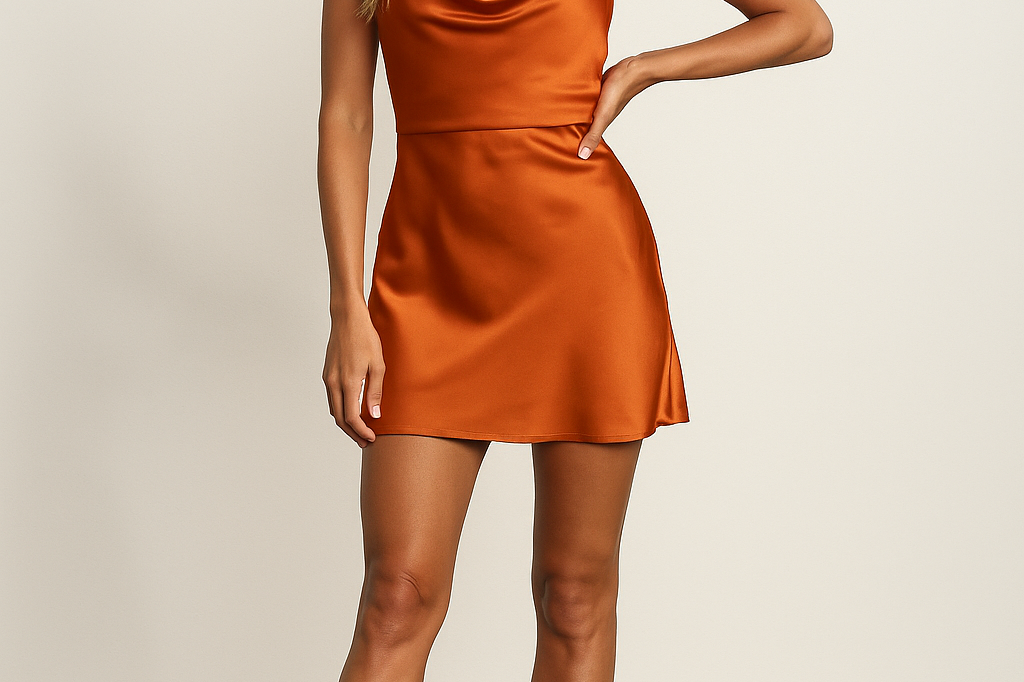
A-line Dresses – Fitted at the top and gently flaring out, they skim over the tummy and hips without clinging.
-
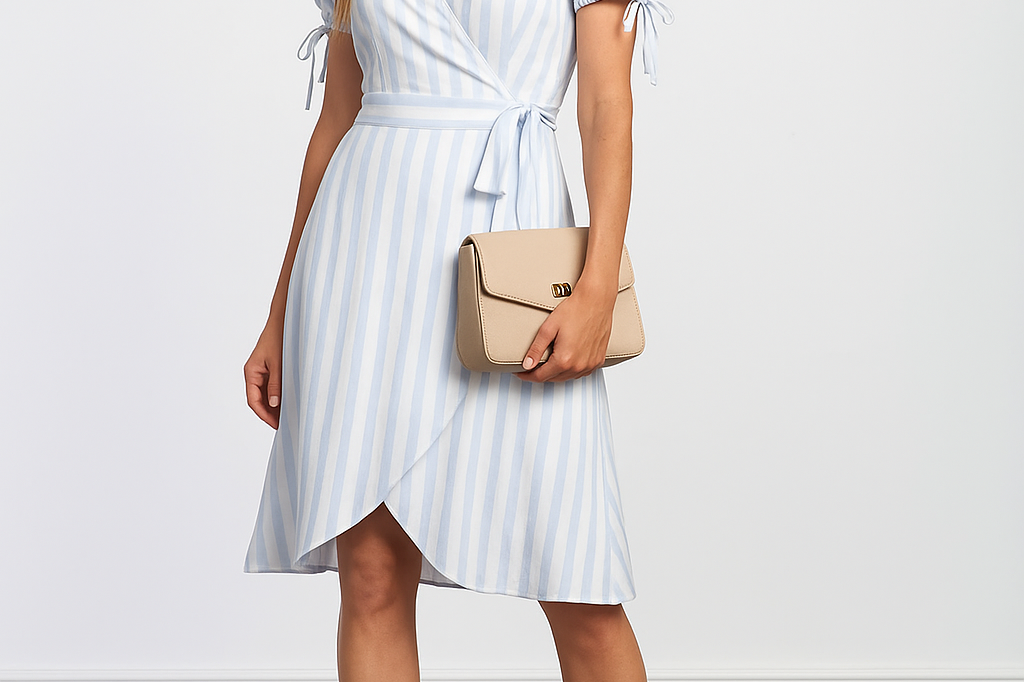
Wrap Dresses – Cinch at the waist, add shape, and can be adjusted for comfort. Always fresh, no matter your age.
-
Fit-and-Flare – Defines the waist and gives more room around the hips, offering movement without overexposure.
-
Sheath Dresses (with stretch) – Sleek but not restrictive when made from fabrics with a bit of give.
-
Midi Dresses – Hems between the knee and ankle give coverage without looking frumpy.
Choose lightweight but opaque fabrics like knit blends, soft crepe, or stretch jersey. Avoid heavy, stiff materials that feel dated, and skip flimsy fabrics that cling and lose shape quickly.
Fit matters as much as style—if you love a dress but it’s not quite right, tailoring can transform it. A few adjustments at the bust or shoulders can make even a simple dress look exceptional.
If you’re not sure what typically works for your shape or want to compare some options, here’s a basic guide to cuts and comfort levels:
| Dress Style | Best For | Comfort Level (1-10) |
|---|---|---|
| A-line | Most body shapes | 9 |
| Wrap | Curvy & straight figures | 9 |
| Fit-and-Flare | Pear & hourglass figures | 8 |
| Sheath (with stretch) | Tall or slim body types | 7 |
| Midi | All body types | 8 |
When in doubt, try dresses on in-store and move around—sit, stand, lift your arms. The right dress will let you do it all without a second thought. If you can get through the evening without even thinking about your outfit (in the best possible way), you’ve found the one.

Color, Fabric, and Fit: What to Pick
If you want to master the cocktail dress code as an older woman, focus on three essentials: colour, fabric, and fit—they make a bigger difference than you might think.
Colour – You’re not limited to navy or black (unless you love them). Jewel tones like emerald, royal blue, and deep purple bring warmth and vibrancy, while soft metallics such as silver or bronze add a subtle evening glow. To avoid looking washed out, steer clear of pale shades that match too closely with your skin tone.
Fabric – Skip heavy satins and stiff taffeta if you want comfort and movement. Opt for stretch crepe, jersey, or chiffon, which drape beautifully without clinging. For a little structure, ponte or scuba knit can smooth your shape without feeling restrictive. Sequins and lace can work well too, as long as the sparkle stays refined rather than overpowering.
Fit – Forget the idea that age means hiding under loose clothing. Tailoring makes all the difference. Styles that often flatter include:
-
Wrap dresses that define the waist without feeling tight
-
Midi or tea-length cuts for a modern look that shows just enough leg
-
Sleeveless to three-quarter sleeves, depending on your preference
-
Empire waists or gentle ruching for subtle tummy coverage
A good tailor can transform a dress. Even a small tweak to the shoulder or hem can turn “nice” into “stunning.” The right fit will always look more expensive—regardless of the price tag.
Accessories That Work—And What to Skip
Accessories can elevate your cocktail look, especially if you want to express style without going overboard. The goal is to enhance your outfit, not compete with it. Most style experts agree—one or two statement pieces are enough. Wearing them all at once, like a chunky necklace, bold earrings, and metal bangles, can look cluttered rather than elegant.
When styling for the cocktail dress code, start with the basics and build from there:
-
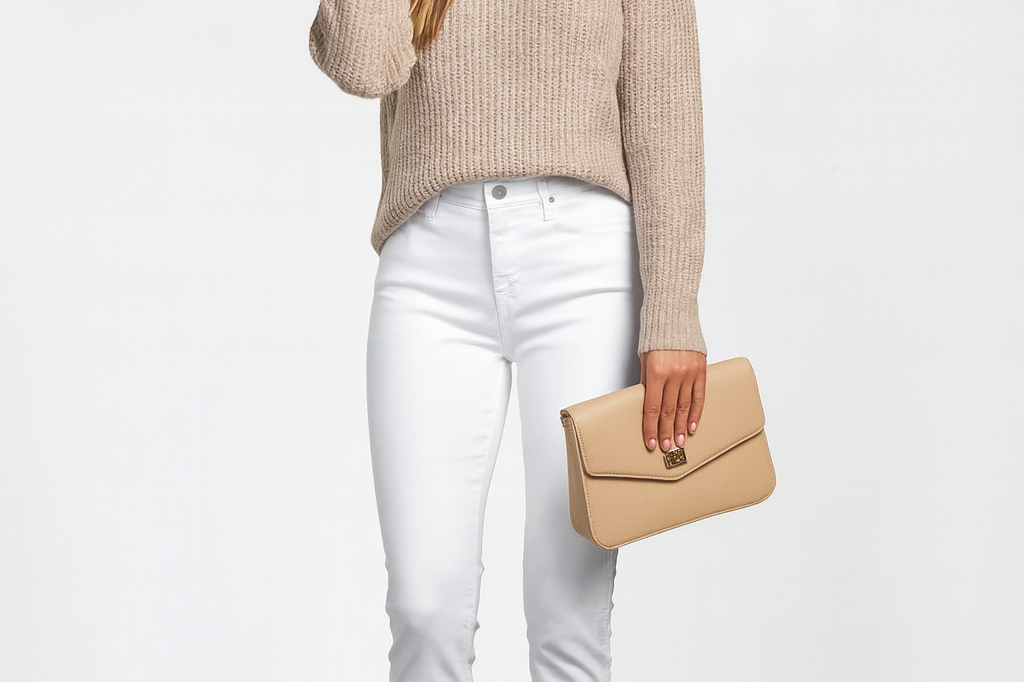
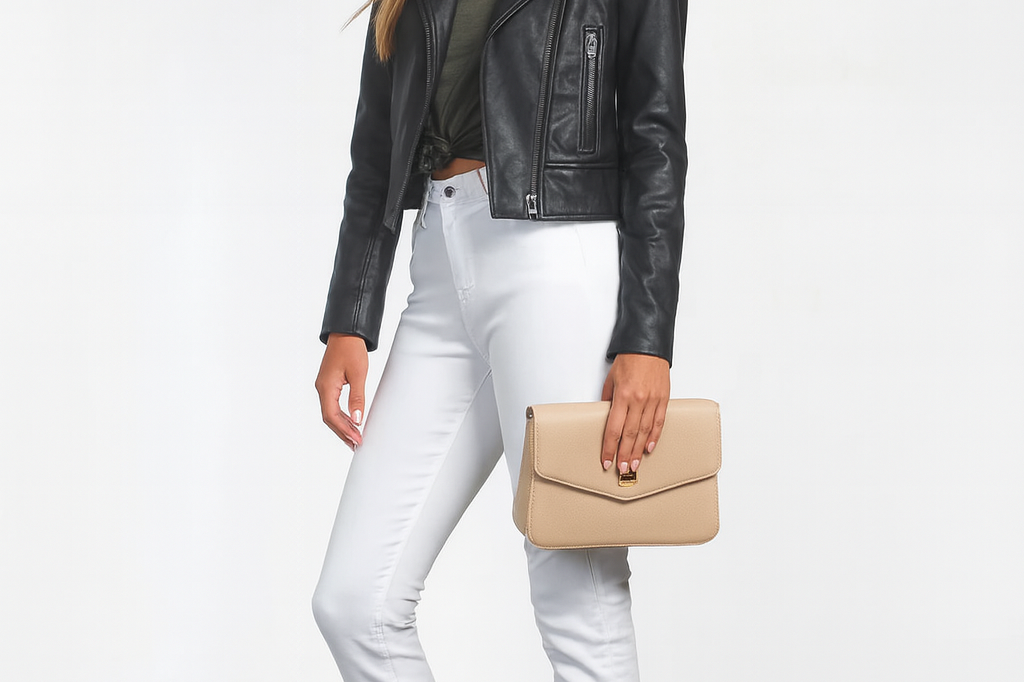
Simple clutch – Sleek and compact, in a neutral like black or metallic, or in a colour that complements your dress.
-
Statement earrings or necklace—choose one – Crystal studs or drop earrings brighten the face, while a bold necklace works best with simpler necklines.
-
Classic watch – A small, refined watch is both practical and stylish; avoid oversized sporty designs.
-
Shoes – Closed-toe heels or dressy flats in leather, suede, or satin are reliable choices. Mid-heels are ideal for comfort if you’ll be standing a lot.
-
Wrap or shawl – A silk or beaded wrap adds subtle sparkle and coverage without feeling formal or stuffy.
What to skip? Overly flashy jewellery (like giant hoops or big plastic beads), large tote bags, and chunky belts. These can overpower your outfit and distract from your dress.
Check out this quick guide for what’s in and what to skip:
| Accessory | What Works | What to Skip |
|---|---|---|
| Earrings | Pearl or diamond studs, drop earrings, delicate hoops | Oversized hoops, plastic statement pieces |
| Bags | Clutch or small shoulder bag | Large tote bags or backpacks |
| Shoes | Mid-heel pumps, dressy flats | Chunky platforms, flip-flops |
| Necklaces | Simple chains, vintage pendants | Heavy, multi-layered pieces |
| Wraps/Scarves | Silk, chiffon, or beaded wraps | Bulky knitted scarves |
Here’s a fun fact: a 2023 AARP survey found that over 60% of women over 50 prefer small, classic accessories to flashy costume jewellery for evening events. The takeaway—choose timeless pieces that add polish rather than clutter. You’ll feel more at ease, and that confidence will shine through.

Tackling Tricky Situations: From Weddings to Work Parties
Some occasions don’t follow the usual pattern, and that’s when the cocktail dress code can be tricky to navigate.
Weddings – especially those that start in the afternoon and roll into the evening – call for care. Avoid white, cream, or anything overly flashy so you’re not competing with the bride. Softer shades like pale blue, deep green, or classic navy are always safe. Florals can work beautifully, as long as they suit both daylight and evening lighting. For ceremonies in religious venues, keep a shawl or light jacket handy for extra coverage.
Work parties are another balancing act. You want to look polished, but not overly glitzy. Stick to clean lines, modest cuts, and midi lengths in solid colours. Low heels or elegant flats keep the look refined. If you’re unsure, look up photos from last year’s event or discreetly ask a colleague—it’s an easy way to avoid a misstep.
Quick cheat sheet for other occasions:
-
Outdoor gatherings: Maxi dresses or floaty knee-length styles work well. Skip stilettos and opt for wedges or dressy sandals so you don’t sink into grass.
-
Holiday events: Darker colours, velvet, or a touch of tasteful sparkle fit the mood. Add a bold necklace if your dress is simple.
-
Dinner parties: Go for comfort—wrap dresses, soft knits, or smart separates with a dressy top. You can be more playful here with prints, statement earrings, or a colourful clutch.
Whatever the event, trust your instincts. If you feel comfortable and like yourself, you’ll look good—dress codes are simply a guide, not a cage.